How an Endodontist Can Help With an Injured Tooth
Dentists often refer a patient with an injured tooth to an endodontist for evaluation and treatment. If you have an injured tooth, there are several treatment options. Which option makes sense will depend on how severe the damage is. Root canals and extractions are common endodontic procedures. All dentists receive some training in specialized procedures, such as treatments for cracked or loose teeth, but endodontists have additional training and experience. Depending on the nature of the injury, a person with an injured tooth may need treatment from this specialist.
Understanding endodontics
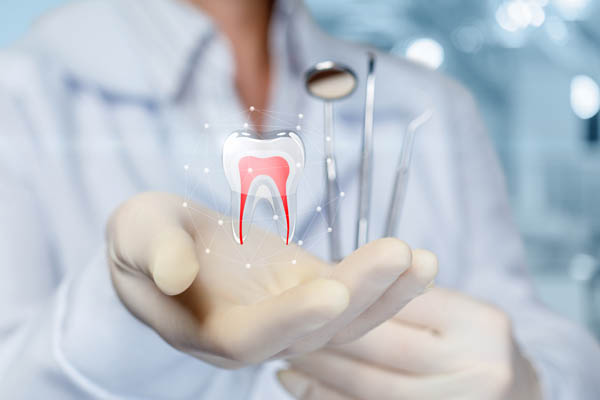
The term "endodontics" refers to the inside of the tooth. This dental specialty is concerned with the soft tissue inside the tooth as well as the hard structure of the tooth and the root. That soft tissue, known as the pulp, contains nerves, blood vessels, and connective tissues. The enamel is the surface layer of the tooth, which is separated from the pulp by a hard middle layer called dentin.
Dentists tend to focus on treating enamel and dentin. On the other hand, an endodontist focuses on evaluating and treating tooth injuries that penetrate the enamel and dentin. Endodontists routinely treat dislodged, loose, and cracked or fractured teeth with the goal of saving the tooth.
Understanding standard treatment options
An individual who suffers a tooth injury may undergo one of several endodontic procedures, depending on the nature of the injury. A dislodged (luxated) tooth can often be saved at the office by pushing it back into place. An adult may also need to get a root canal, which is then topped off by a cap or crown.
If the patient has a tooth entirely knocked out, the endodontist can replace the tooth in the socket and apply a splint to stabilize it. Sometimes these teeth can be re-implanted and saved, though they may require a root canal.
A cracked tooth may be treated with a filling or a crown. The choice of a filling or crown depends on how serious the damage is. Those treatments will not work if the pulp, the soft tissue inside the tooth has been exposed. These cases require a root canal and a crown or a cap. A tooth that has been severely cracked may need to be extracted, though a crown may also suffice.
Sometimes a fractured tooth is not readily detectable. These root fractures can be repaired by applying a splint, though the odds of success depend on where the fracture happened. If the tooth is fractured below, but near the gum line, saving the tooth may be more likely compared to a fracture down near the root tip. Sometimes a tooth damaged by root fracture has to be extracted.
Conclusion
Sports accidents, falls in the home, and a dozen other causes sometimes cause severe tooth damage that reaches the soft tissue inside the tooth. A general dentist may refer a patient to an endodontist to address such injuries. A cracked, broken, or loose tooth might be saved by splinting or a root canal, or it may have to be extracted.
Request an appointment here: https://www.creeksideendo.com or call Creekside Endodontics - Lone Tree Endodontist at (303) 524-9343 for an appointment in our Lone Tree office.
Check out what others are saying about our services on Yelp: Read our Yelp reviews.
Related Posts
A root canal specialist can correct any problems that affect the pulp cavity. The internal parts of the tooth affect its health. Issues that occur will need immediate treatment. Here are the signs that you may need treatment from your root canal specialist.This happens when the individual consumes hot or cold foods and drinks. The…
Root canal treatment can effectively save an infected or otherwise compromised tooth. However, there are cases in which root canal retreatment is necessary to address complications or reinfections that arise after an initial root canal. Every patient should know several things about root canal retreatment, its benefits, and how to prepare for the procedure.Root canal…
An endodontist is a dental specialist who can diagnose and treat a severe dental abscess. A tooth abscess is a pocket of pus produced by a bacterial infection. Abscesses can form in different parts of the teeth or mouth for different reasons and generally do not resolve without treatment, often requiring endodontic care.Patients who are…
Do you have cracked teeth? Read on to learn more about treatment for cracked teeth. Such fractures need the services of an endodontist, a dental professional with many years of experience treating tooth pain and root canals. The American Association of Endodontists points out that timely intervention is important if you wish to save a…