How an Endodontist Can Help With Complex Tooth Issues
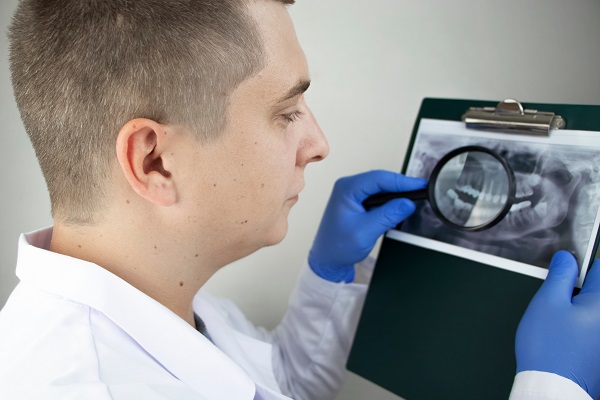
If disease or injury has done serious damage to a tooth, a dentist may refer a patient to an endodontist for specialized treatment designed to save the tooth, if at all possible. Sometimes diagnosing and treating problems with a tooth requires extensive specialized training and surgery. Endodontic treatment focuses on treating problems with the soft tissue, or pulp, deep inside each tooth and problems at the base of the tooth, the root, where a nerve connects the tooth with the jaw. Tooth infections, as well as physical damage caused by accidents, often call for specialized care.
Repairing damaged or infected teeth
Many teeth and gum problems that cause pain are treatable in a simple dental visit, but sometimes an accident or infection requires specialized care. Endodontists often treat teeth after accidents cause serious damage. After a fall, a fight, or an injury while playing sports, the physical damage to a tooth might not be repairable. An endodontist may be able to save a tooth that came loose or fall out. This dental specialist may also be able to repair a tooth that is badly cracked or has a crack below the gum line.
Gum and tooth infections are common dental issues. Often, a gum infection presents symptoms that a dentist and patient can handle with cleaning, prescription mouthwash, and antibiotics. Sometimes, however, an infection inside a tooth creates an abscess that has to be treated by a specialist before the infection causes even more problems.
Treating complex problems
Pain and swelling are vague indicators of a problem because those symptoms represent many possible causes. A dentist sometimes encounters a complicated tooth or gum issue that requires specialized treatment. Many issues with the soft tissue in or around the root of a tooth fall into this category. The causes of tooth and gum pain can be complicated and difficult to treat without specialized training.
Pulpitis, a condition caused by infected tooth pulp, may send a person to an endodontist's office. These infections usually cause toothaches, but can also lead to serious health problems that require urgent medical care. Some patients need treatment for old crowns and caps. The dentist may refer these patients to an endodontics office to get the old materials removed and replaced.
Endodontists often perform root canals to save teeth. After removing the soft tissue inside the tooth, the patient almost always gets a crown or cap on the treated tooth. An endodontist may also be called upon to treat the tooth root. Sometimes a root canal fails to resolve the pain and swelling. In these situations, a specialized surgical procedure called an apicoectomy may be required. This procedure removes the tip of the root.
Saving teeth
Severe tooth damage and infection tend to pose complex dental challenges that require specialized training to handle. An endodontist focuses on saving teeth after injury or infection, whenever this is possible, by performing specialized surgical procedures. When saving the tooth is not possible, this dental specialist can also perform extractions.
Request an appointment here: https://www.creeksideendo.com or call Creekside Endodontics - Lone Tree Endodontist at (303) 524-9343 for an appointment in our Lone Tree office.
Check out what others are saying about our dental services on Yelp: What is an Endodontist in Lone Tree, CO.
Related Posts
A root canal specialist can correct any problems that affect the pulp cavity. The internal parts of the tooth affect its health. Issues that occur will need immediate treatment. Here are the signs that you may need treatment from your root canal specialist.This happens when the individual consumes hot or cold foods and drinks. The…
Root canal treatment can effectively save an infected or otherwise compromised tooth. However, there are cases in which root canal retreatment is necessary to address complications or reinfections that arise after an initial root canal. Every patient should know several things about root canal retreatment, its benefits, and how to prepare for the procedure.Root canal…
An endodontist is a dental specialist who can diagnose and treat a severe dental abscess. A tooth abscess is a pocket of pus produced by a bacterial infection. Abscesses can form in different parts of the teeth or mouth for different reasons and generally do not resolve without treatment, often requiring endodontic care.Patients who are…
Do you have cracked teeth? Read on to learn more about treatment for cracked teeth. Such fractures need the services of an endodontist, a dental professional with many years of experience treating tooth pain and root canals. The American Association of Endodontists points out that timely intervention is important if you wish to save a…