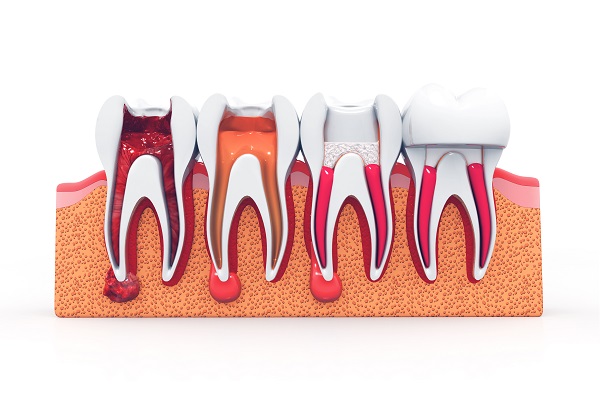
When you get the news that you need a root canal, your head may start to spin. If you are already nervous when at regular dental appointments, having to come back in for a surgical procedure can churn up the stress. You may not know that you have a couple of options when it comes to the way to fix the issue. Ask your dentist or endodontist about the surgical and nonsurgical therapy options that may be available to you.
The root of the problem
You may not understand how your tooth's root became damaged, especially if you practice good oral hygiene. According to the American Association of Endodontists, millions of people find themselves in need of a root canal every year. It is a necessary procedure when the pulp around the root of the tooth becomes infected and inflamed. This breach may be caused by various issues:
- A crack or chip in the tooth
- Untreated or over-treated tooth decay
- Impact injury to that area of the mouth
If intervention does not occur, the tooth can die and need pulling.
Options for treatment
Nonsurgical root canal
When thinking about a root canal, you probably picture the traditional procedure. During this treatment, the area of the mouth is numbed and the patient is put under anesthesia through gas or other means. The dentist or endodontist then sets out to remove the infected pulp, flush out the root canal system, clean the inside of the tooth once the pulp is removed and reseal the tooth with a crown. A crown is usually white resin and looks exactly like the tooth. It is there to seal it from further intrusion by food, germs and the like.
Depending on how extensive the infection and damage is, the procedure can take anywhere from 30 minutes to well over an hour. Speak to your dental professional about what you can expect before, during and after the process so there are no surprises.
Surgical root canal
Sometimes the traditional procedure is not enough to save the tooth. If the pain and inflammation continue, the next step is endodontic surgery. During this process, the patient is once again put under anesthesia. The doctor then does a resection of the root itself, removing it and then filling the space if necessary. The dentist may also go deeper into the gum and make sure that the bones of the jaw are clear of infection. Surgical intervention may be a last-ditch effort to save the tooth. It may be a lengthier procedure and can mean a longer recovery time.
Conclusion
When dealing with a root canal, it is best to ask your dentist or endodontist the best course of action they recommend. Make sure that you have all the facts, and understand that if surgery is being recommended, it is usually a last resort. Keeping your own set of teeth is the end goal, and a dentist can help you do just that, pain- and infection-free.
Request an appointment here: https://www.creeksideendo.com or call Creekside Endodontics - Lone Tree Endodontist at (303) 524-9343 for an appointment in our Lone Tree office.
Check out what others are saying about our dental services on Yelp: Root Canal Treatment in Lone Tree, CO.
Related Posts
A root canal treats an inflamed or infected tooth pulp while preserving the natural tooth. Most single-visit root canal appointments take about 60–90 minutes. Front teeth usually require less time because they have one canal, while premolars and molars often need additional time due to having two to four canals. The general dentist numbs the…
An emergency dentist may recommend a root canal when tooth pain signals a deeper problem inside the tooth. Severe sensitivity, throbbing pressure, or swelling may indicate that the pulp tissue is irritated or infected. When the inner tooth cannot heal on its own, prompt treatment helps relieve pain and protects the surrounding bone and gums.…
A dental abscess develops when bacteria infect the pulp or surrounding tissues, creating a pocket of pus. As a root canal dentist, an endodontist evaluates these infections promptly because they can spread and threaten tooth and bone health. Recognizing a dental abscess early reduces pain, preserves teeth, and prevents complications.A dental abscess typically starts with…
A tooth abscess signals an infection inside the tooth or surrounding bone. Bacteria reach the pulp (the tooth’s nerve and blood supply) through deep decay, cracks, or failed restorations. Pressure builds as fluid collects, causing throbbing pain, gum swelling, and sensitivity to biting or temperature changes. An endodontist identifies the abscess source with digital X-rays,…