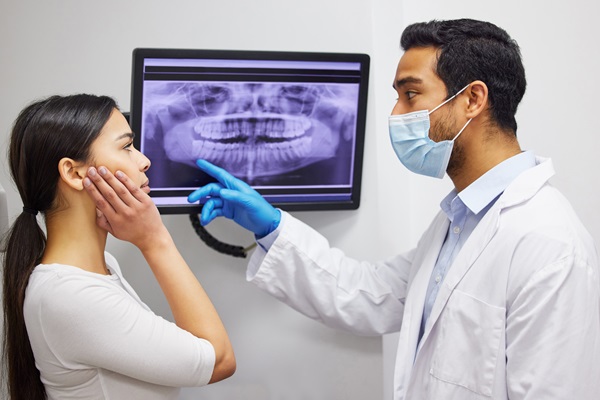
In many cases, root canal recovery is even simpler than the procedure itself. Patients who are nervous about their upcoming procedure have nothing to fear, as they will be able to return to their normal lives afterward. A root canal is an essential procedure that entails saving a patient’s tooth and keeping it functional over the long term. After a simple recovery, most patients are pleased with the results.
Recovering from a root canal
While a root canal does require the dentist to access the innermost part of the tooth (the pulp chamber) and remove the blood vessels and nerves inside, this is a much simpler process than it sounds. Once the procedure is over, patients can expect to go home right away, though they should still plan ahead for the best recovery. After a root canal, patients should expect the following.
The first day
On the day of the root canal and 24 hours afterward, most patients will feel slightly sore once the numbing wears off. This discomfort is not from the tooth itself, as it no longer has nerves. Instead, it arises from general irritation in the area, since the tissues were exposed to vibrations and pressure during treatment.
Over-the-counter pain medication can make these first 24 hours manageable. Be sure to plan for a restful day: Avoid exercise, and try to lie down to give the body a chance to begin healing. If pain or throbbing persists, keep the head elevated to decrease blood pressure at the site of the root canal.
The first week
Most patients report that they feel back to normal a few days after their procedure, but recovery can last a little longer for more complex root canals, especially apicoectomies. These entail the endodontist performing a root canal through the tip of a tooth’s root. Sticking to a soft food diet can avoid aggravating the surrounding tissues. If any swelling persists, apply an ice pack to the face (not inside the mouth) for 15 minutes on and 15 minutes off.
Over the long term
Once a root canal has been performed and the gums around the area have recovered, patients can expect their tooth to function normally over the long term. The teeth on either side of the affected tooth may be slightly more sensitive for a week or two after a root canal, as their nerves may have been agitated during the procedure. However, since the treated tooth was stripped of its nerve endings, no further pain should be present over the long term.
Schedule a root canal as soon as possible
If you are facing the possibility of a root canal, rest assured that recovery is simple, and you will get to go back to your normal routine quickly. Please contact our office today in order to schedule your root canal or to learn more about the best ways to prepare for recovery.
Request an appointment here: https://www.creeksideendo.com or call Creekside Endodontics - Lone Tree Endodontist at (303) 524-9343 for an appointment in our Lone Tree office.
Check out what others are saying about our dental services on Yelp: Root Canal in Lone Tree, CO.
Related Posts
A root canal specialist can correct any problems that affect the pulp cavity. The internal parts of the tooth affect its health. Issues that occur will need immediate treatment. Here are the signs that you may need treatment from your root canal specialist.This happens when the individual consumes hot or cold foods and drinks. The…
Root canal treatment can effectively save an infected or otherwise compromised tooth. However, there are cases in which root canal retreatment is necessary to address complications or reinfections that arise after an initial root canal. Every patient should know several things about root canal retreatment, its benefits, and how to prepare for the procedure.Root canal…
An endodontist is a dental specialist who can diagnose and treat a severe dental abscess. A tooth abscess is a pocket of pus produced by a bacterial infection. Abscesses can form in different parts of the teeth or mouth for different reasons and generally do not resolve without treatment, often requiring endodontic care.Patients who are…
Do you have cracked teeth? Read on to learn more about treatment for cracked teeth. Such fractures need the services of an endodontist, a dental professional with many years of experience treating tooth pain and root canals. The American Association of Endodontists points out that timely intervention is important if you wish to save a…