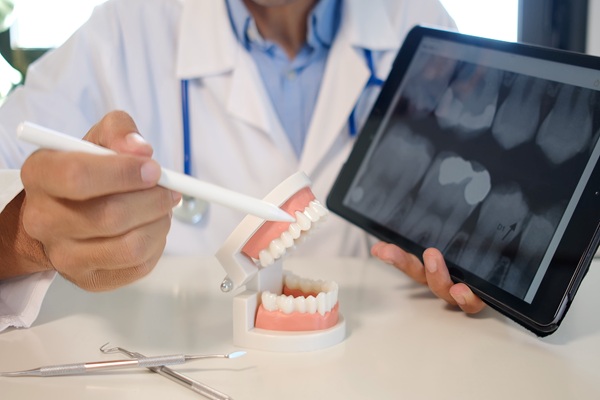
A root canal treats an inflamed or infected tooth pulp while preserving the natural tooth. Most single-visit root canal appointments take about 60–90 minutes. Front teeth usually require less time because they have one canal, while premolars and molars often need additional time due to having two to four canals. The general dentist numbs the tooth, removes the diseased pulp, shapes and disinfects the canals, and places a biocompatible filling material, such as gutta-percha. Many patients also receive a temporary filling or crown at the same visit, with a follow-up appointment to place a permanent crown. This treatment remains a foundational part of restorative dentistry for maintaining the natural bite.
The reasons some visits take longer than others
Teeth vary, so a root canal may take 90–120 minutes or over the span of two visits. However, complex anatomy, narrow or curved canals, and long-standing infection can increase chair time. If a tooth has a large abscess, the dentist may place medication inside the canals and allow a brief healing period before sealing. Diagnostic factors also influence how the appointment proceeds. Digital X-rays and, in some cases, a 3-D scan help map canal shapes, improving accuracy and comfort. These steps make the procedure more predictable and support long-term tooth function.
Common timing factors include:
- Tooth type and the total number of canals requiring treatment.
- Severity of infection or the presence of a large abscess.
- Previous dental work or hardware on the same tooth.
- Need for a core build-up or crown immediately after treatment.
These variables guide the appointment plan and help set realistic expectations for the patient. After the dentist completes these steps, they will discuss the specific findings and the next steps for a final restoration.
How long results last
With proper restoration and home care, a root canal can last many years. Longevity depends on sealing the tooth well and protecting it from biting forces. After cleaning the canals, dentists typically recommend a full-coverage crown—especially for premolars and molars—to reduce the risk of fracture. Good daily hygiene, routine exams and cleanings, and addressing clenching or grinding with a night guard all support success. If discomfort appears months or years later, retreatment or a minor surgical step may resolve a persistent infection at the root tip.
To extend the life of a treated tooth, follow these recommendations: brush twice daily with fluoride toothpaste, floss once daily, limit frequent sugary snacks and acidic beverages, and return promptly if the temporary filling loosens. A timely permanent crown and consistent home care work together to maintain strength and comfort. Following these guidelines helps the treated tooth function just like any other healthy tooth in the mouth.
When to consider treatment
Delaying care can allow infection to spread and may lead to swelling, bone loss, or tooth fracture. Signs that warrant evaluation include persistent sensitivity to heat or cold, pain with chewing, gum swelling near a tooth, or a pimple-like bump on the gums. A general dentist can assess the tooth, explain whether a root canal or another option fits the situation, and coordinate the final restoration so the tooth functions comfortably again. Regular screenings ensure that minor decay does not progress to a condition requiring more complex care. For more information or to schedule an appointment, call our office.
To schedule a consultation, please request an appointment on our website at https://www.creeksideendo.com or call Creekside Endodontics - Lone Tree Endodontist at (303) 524-9343 to arrange an appointment at our Lone Tree office.
Check out what others are saying about our dental services on Yelp: Root Canal Treatment in Lone Tree, CO.
Related Posts
An emergency dentist may recommend a root canal when tooth pain signals a deeper problem inside the tooth. Severe sensitivity, throbbing pressure, or swelling may indicate that the pulp tissue is irritated or infected. When the inner tooth cannot heal on its own, prompt treatment helps relieve pain and protects the surrounding bone and gums.…
A dental abscess develops when bacteria infect the pulp or surrounding tissues, creating a pocket of pus. As a root canal dentist, an endodontist evaluates these infections promptly because they can spread and threaten tooth and bone health. Recognizing a dental abscess early reduces pain, preserves teeth, and prevents complications.A dental abscess typically starts with…
A tooth abscess signals an infection inside the tooth or surrounding bone. Bacteria reach the pulp (the tooth’s nerve and blood supply) through deep decay, cracks, or failed restorations. Pressure builds as fluid collects, causing throbbing pain, gum swelling, and sensitivity to biting or temperature changes. An endodontist identifies the abscess source with digital X-rays,…
Nitrous Oxide is a sedative used before certain procedures, primarily in dentistry. Some medical professionals also utilize it as it is a safe, non-toxic way to keep patients mildly sedated throughout a procedure or appointment. Unlike other, more moderate sedatives, nitrous oxide does not make the patient unconscious. Instead, it is used to simply relax…