Tips for Apicoectomy Recovery and Pain Management
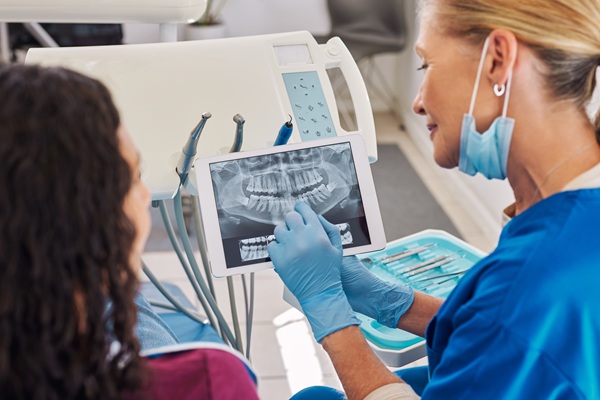
An apicoectomy is a restorative procedure that saves a natural tooth when a standard root canal treatment does not fully resolve an infection at the root tip. While the idea of a root-end surgery sounds complex, the recovery process is often straightforward when a patient follows a clear plan for comfort and healing. Our practice prioritizes patient education to ensure the days following the procedure feel predictable and manageable. Here are a few tips to have a successful recovery.
Stay ahead of discomfort with a proactive plan
Managing physical comfort requires a proactive approach to the body's natural inflammatory response following the procedure. Anti-inflammatory medications often provide the best results when the patient starts the recommended schedule before the local anesthetic fully wears off. This strategy prevents a pain peak that can occur if a patient waits until they feel significant soreness before taking their first dose. Taking these medications as directed can provide consistent relief during the first few days after an apicoectomy.
Protect the surgical site from irritation
The long-term success of an apicoectomy depends on a stable environment where the delicate sutures and the healing bone remain undisturbed. Actions that create suction, such as using straws or smoking, can dislodge the initial healing components, leading to increased discomfort or delayed healing. Additionally, oral hygiene remains important, but the patient must avoid direct contact with the surgical site when brushing or rinsing for the first 48 hours. Using a mild saltwater rinse as directed by the endodontist helps keep the area clean without the need for vigorous swishing or forceful spitting.
Choose soft foods and chew strategically
Nutritional intake supports the body's energy needs during recovery, but the texture and temperature of the food require careful consideration. Soft, room-temperature options like Greek yogurt, protein-rich smoothies, and scrambled eggs provide the necessary building blocks for tissue repair without straining the jaw. Chewing on the opposite side of the mouth also prevents food particles from irritating the incision and reduces the physical pressure on the sensitive root tip. Further, staying hydrated helps the body process medications more efficiently and keeps the mouth feeling fresh.
Prioritize rest and follow-up care
Recovery improves significantly when the body has the opportunity to focus its energy entirely on the healing process, making rest a top priority right after an apicoectomy. While short, leisurely walks support healthy circulation, strenuous exercise or heavy lifting can cause a throbbing sensation by temporarily increasing blood pressure to the head. The endodontist can provide a note for school or work if necessary. Finally, returning for a follow-up visit allows the endodontic team to confirm that the bone is healing correctly and that the sutures are ready for removal.
Call an endodontist for more information
A well-structured recovery plan transforms the postoperative experience into a manageable path to save a natural tooth and maintain a healthy smile. Combining proactive medication management with cold therapy and a soft-food diet ensures that healing remains on track and that discomfort stays at a minimum. If you have more questions about the apicoectomy procedure or recovery process, contact our office for more information.
Request an appointment here: https://www.creeksideendo.com or call Creekside Endodontics - Lone Tree Endodontist at (303) 524-9343 for an appointment in our Lone Tree office.
Check out what others are saying about our dental services on Yelp: Apicoectomy in Lone Tree, CO.
Related Posts
Emergency root canals can relieve pain, address infection, and preserve the natural tooth structure whenever possible. While only a dental provider can determine whether this treatment is needed, it is important to know the warning signs that you may need one. That way, you can act fast should you need this tooth-saving treatment from an…
A root canal specialist can correct any problems that affect the pulp cavity. The internal parts of the tooth affect its health. Issues that occur will need immediate treatment. Here are the signs that you may need treatment from your root canal specialist.This happens when the individual consumes hot or cold foods and drinks. The…
Root canal treatment can effectively save an infected or otherwise compromised tooth. However, there are cases in which root canal retreatment is necessary to address complications or reinfections that arise after an initial root canal. Every patient should know several things about root canal retreatment, its benefits, and how to prepare for the procedure.Root canal…
An endodontist is a dental specialist who can diagnose and treat a severe dental abscess. A tooth abscess is a pocket of pus produced by a bacterial infection. Abscesses can form in different parts of the teeth or mouth for different reasons and generally do not resolve without treatment, often requiring endodontic care.Patients who are…